
Hymenoplasty in Pune & PCMC

Table of Contents

Some women consider hymen repair for personal, cultural, emotional, or medical reasons. Each person has their own story. Many feel nervous to even speak about it. This page explains the treatment in simple language, so you know what it means, when it is needed, and what to expect, without judgment or pressure.
What is a Hymen
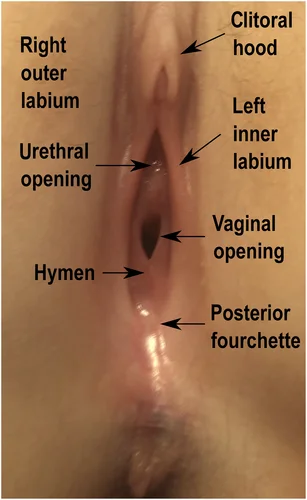
The hymen is a thin, flexible ring of tissue at the vaginal opening.
It already has a natural opening so menstrual blood can pass.
Every woman’s hymen looks different. Some are thicker. Some are very thin. Some have smaller or larger openings. Some women are even born with very little hymenal tissue.
A critical point:
The hymen can stretch without tearing.
Activities like cycling, exercise, swimming, using tampons, or even natural movements can stretch or change the hymen. Because of this,
An intact hymen is NOT proof of virginity, and a torn hymen does not mean sexual activity.
Science is clear about this, and Dr. Salil shares this openly to remove guilt, fear, or shame.
What Hymenoplasty Means
Hymenoplasty repairs or reconstructs the torn edges of the hymen to bring it back to its natural form.
It does not change the vagina.
It does not affect fertility or sexual function.
The stitches used are very fine and dissolve on their own as the tissue heals over a few weeks.
Why Some Women Choose Hymenoplasty
Women choose this treatment for different personal reasons. Common ones include:
- Wanting to feel restored or “back to normal.”
- Cultural or family expectations
- Emotional healing or closure
- Nervousness before marriage
- Preparing for a new relationship
- Private personal comfort
Your reasons are your own. Dr. Salil’s role is to listen, guide gently, and help you make a calm, informed choice.
When Hymenoplasty May Be Needed
You may consider it if:
- The hymen tore earlier
- You want the membrane to be perfect for cultural or personal comfort.
- You feel anxious about the upcoming marriage.
- You had an injury in the area.
- You want to repair after a difficult or traumatic event.
Medical reasons
Some women have hymenal conditions from birth:
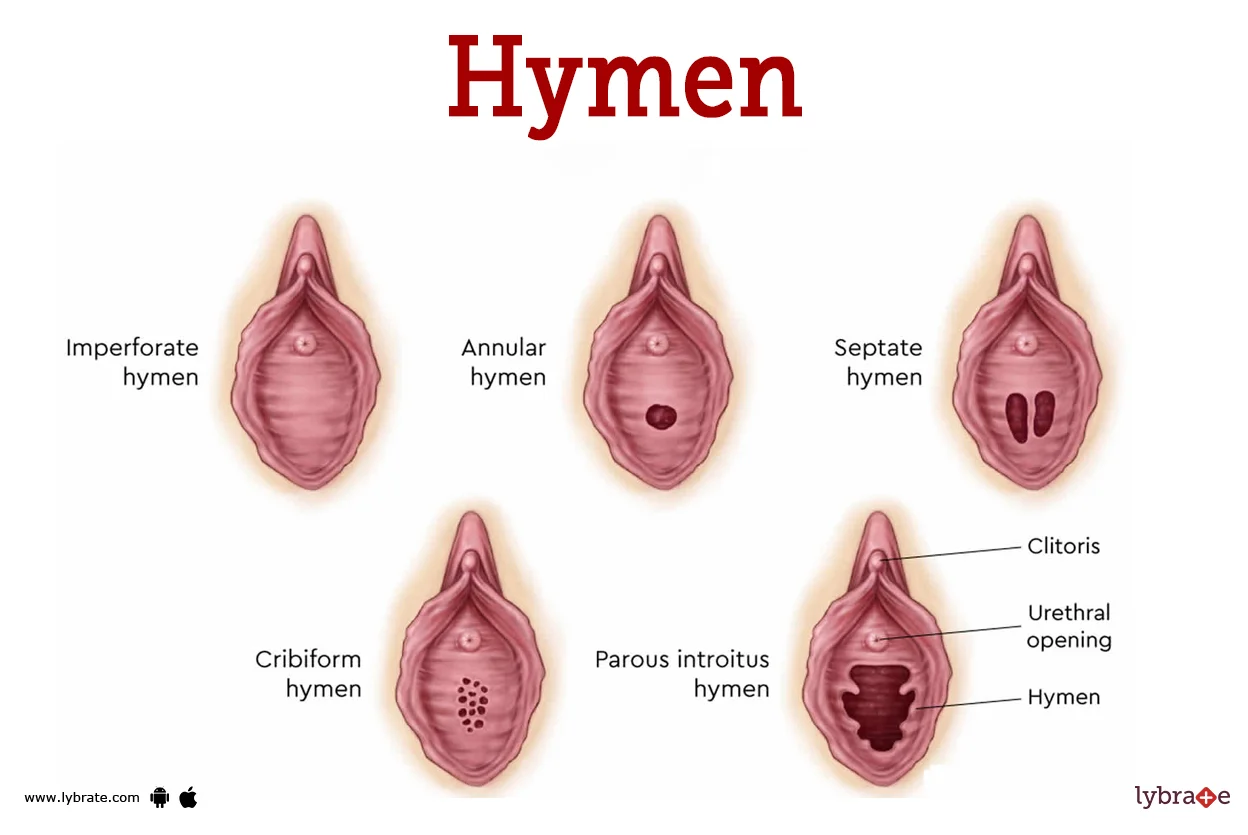
- Imperforate hymen (hymen blocks the opening)
- Microperforate hymen (very tiny opening)
- Septate hymen (extra band of tissue)
These conditions can cause pain, difficulty inserting tampons, or trouble with menstrual flow.
In such cases, reshaping or repairing the hymen is done for health and comfort, not cultural reasons.
How the Procedure is Done
The process is simple and usually takes 30–45 minutes.
- Local numbing keeps you comfortable.
- The torn hymenal edges are identified.
- Delicate dissolvable stitches are placed to rebuild the membrane.
- No external cuts are made.
You go home the same day.
Most daily activities resume within 24 hours.
What Hymenoplasty Cannot Do
- It cannot guarantee bleeding during intercourse. Many women never bleed, even with an intact hymen.
- It cannot tighten the vagina. That is a different treatment.
- It does not change sexuality, sensitivity, or pleasure.
Being honest about limits is important so expectations stay real.
Recovery and Aftercare
Healing is usually quiet.
You may notice:
- Mild soreness for a day or two
- Slight spotting
- A feeling of tightness
Avoid for the first week:
- Heavy exercise
- Swimming
- Any activity that pulls the area
Avoid for 6 weeks:
- Sexual activity
- Tampon use
Dr. Salil provides a private, personalised aftercare plan tailored to your body.
Risks and Safety
Hymenoplasty is safe in trained hands.
Possible temporary issues include:
Mild swelling
Light discomfort
Rare infection
Slight tightness during healing
Most settle with simple care.
Cost of Hymenoplasty in Pune & PCMC
Cost depends on:
- Tissue condition
- Technique used
- Whether layered repair is needed
A detailed, confidential estimate is shared after a private consultation with Dr. Salil.
Common Questions Women Ask
Will it look natural?
Yes. Once healed, it is not visibly different from a natural hymen.
Will anyone know I had this treatment?
No. The repair is internal, and the stitches dissolve naturally.
Will it affect future sex life?
No. Sensation and pleasure stay the same.
Will it always cause bleeding later?
No. Bleeding varies from woman to woman. It depends on your tissue, not the surgery.
Is it painful?
Most women report only mild soreness because numbing is used during the procedure.
Can this be combined with vaginal tightening?
Both can be done if needed, but timing is important. Dr. Salil guides you.