Cyst Removal in Pune & PCMC
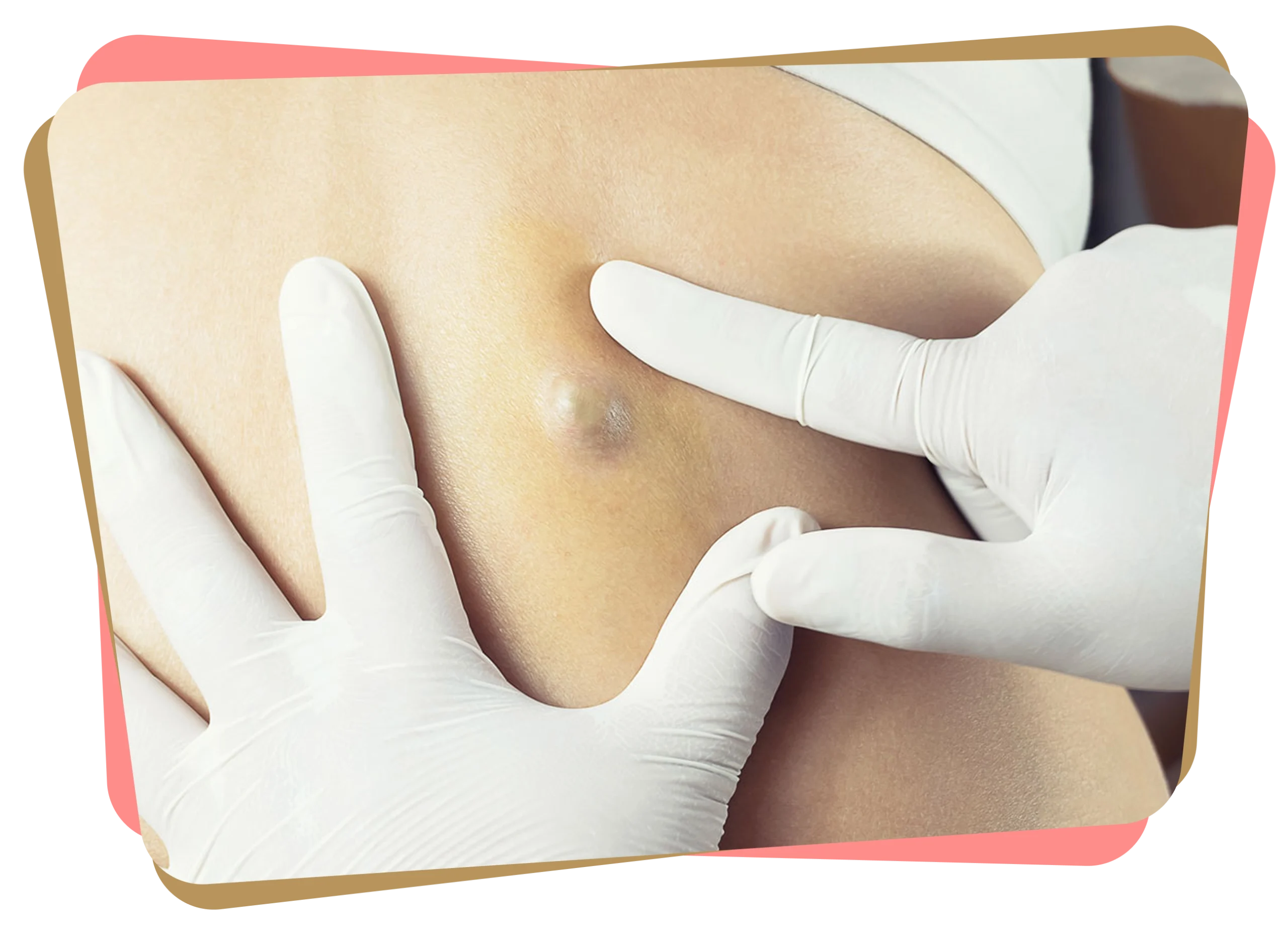
Table of Contents
A cyst is a small, closed pocket under the skin that contains fluid, thick material or pus.
Most cysts are harmless, but they can grow, get infected, or become painful with time. When this happens, removal is the safest and most permanent way to treat it.
Cyst removal is a quick day-care procedure. You stay awake, the area is numbed, and you go home the same day.
How to tell if the lump is a cyst
People usually notice:
- A round bump under the skin
- Soft or firm to the touch
- Moves a little when pressed
- Slowly gets bigger
- Sometimes, it leaks thick, smelly fluid.
- Turns red or painful when infected
Common areas: face, scalp, neck, back, shoulders, chest, underarms and groin.
A simple check by a doctor can confirm if it is a cyst or something else.
Why cysts form
A cyst forms when a skin pore or oil gland gets blocked.
Dead skin cells accumulate and form a small sac.
This can happen due to:
- Oily skin
- Hormonal changes
- Friction or irritation
- Small injuries
- Family history
Cysts are not caused by poor hygiene.
When cyst removal is recommended
You may need removal if:
- The cyst keeps growing
- It becomes painful or tender.
- It turns red, warm or infected.
- It drains smelly material again and again.
- It affects your appearance or confidence.
- It catches on clothes, hair, or a comb.
- You want clarity and peace of mind.
How doctors confirm it is a cyst
Diagnosis is usually simple and done on clinical examination.
In some instances, you may need:
- Ultrasound (for deeper or unclear lumps)
- Fluid sample
Imaging helps rule out rare conditions.
How is cyst removal in Pune and PCMC done?
Cyst removal is a minor, clean procedure:
- The area is cleaned and numbed.
- A small cut is made over the cyst.
- The entire cyst sac, along with its contents, is removed.
- The skin is closed with stitches.
Removing the sac is essential.
If the sac is left behind, the cyst can grow again.
What to expect after the procedure
Most people return to regular work the next day.
You may notice:
- Mild swelling
- Soreness
- Bruising around the area
These are normal and settle in a few days.
Home care instructions
- Keep the area clean and dry.
- Follow dressing changes as advised.
- Use the prescribed ointment or medicines.
- Avoid the gym or heavy stretching for 5–7 days.
- Do not scratch or press the area.
Stitches are usually removed after 7–10 days, depending on the location.
Risks of Cyst Removal
Cyst removal is safe. But like any minor procedure, it can have:
- Mild bleeding
- Infection
- Small scar
- Temporary discomfort
- Rare chance of cyst coming back.
Following aftercare reduces most of these.
When to call the doctor after the procedure
Seek a review if you notice:
- Increasing redness
- Pus discharge
- Fever
- Severe pain
- Bleeding that doesn’t stop.
- Stitches opening
Early care helps avoid complications.
What happens if you ignore a cyst
Most cysts do not go away on their own.
Without treatment, they may:
Grow larger
Get infected repeatedly
Burst under the skin, causing pain
Leave a bigger scar later.
It becomes difficult to remove cleanly.
Early removal often results in a smaller cut and quicker healing.
A personalised approach
Not every cyst needs immediate removal.
Some are small and stable. Others grow quickly or often get infected.
Your treatment should match:
- Size
- Location
- Symptoms
- Your comfort
- Your doctor’s evaluation
Our goal is simple.
Help you live comfortably without pain, irritation or worry.
FAQs on Cyst Removal in Pune & PCMC
Is a cyst dangerous?
Most cysts are harmless. They are simply pockets of trapped material under the skin. They rarely turn into anything serious. But they can grow, get infected or become painful, which is when removal helps.
Will a cyst go away on its own?
No. Most cysts stay the same or slowly grow with time. They may calm down for a while, but do not disappear on their own. Once the inner sac forms, only surgical removal can fully treat it.
Is cyst removal painful?
You feel no pain during the procedure because the area is numbed. You may feel slight pressure or tugging, but not pain. Mild soreness afterwards is normal and settles in a few days.
How long does the procedure take?
Most cyst removals take 15–30 minutes. You go home the same day.
Can a cyst come back after removal?
If the entire cyst sac is removed, the cyst usually does not return.
If even a small part of the sac remains, it may regrow. This is why proper technique matters.
What is the recovery time?
Most people return to office work the next day.
Swelling or mild bruising may last a few days. Stitches are removed after 7–10 days.
Will I have a scar?
Yes, a small scar is expected. It usually fades with time.
Early removal of smaller cysts leads to smaller scars.
Do I need tests before removal?
Not always.
If the cyst is small and typical, physical examination is enough.
For large, deep or unusual lumps, an ultrasound may be advised to plan the safest approach.
Why does a cyst smell when it drains?
The material inside a cyst is made of old skin cells and oil.
When it leaks out, it can have a strong smell. This is normal and does not mean cancer.
Can I squeeze or pop a cyst at home?
No.
Squeezing can push material deeper, cause infection, or leave a bigger scar. Safe removal requires the entire sac to be taken out.
Is cyst removal covered by insurance?
If the cyst is painful, growing, infected or affecting your daily activities, many insurers consider it medically necessary. Cosmetic removal policies differ. We can guide you after the evaluation.
How do I know if my cyst is not something serious?
Your doctor can tell by examining it.
Warning signs that need a check include very fast growth, hardness, changes in skin colour, or numbness. These do not always mean cancer, but they need proper evaluation.
Can children get cysts?
Yes. Cysts can appear at any age. Removal in children is safe but should be planned based on age, symptoms, and comfort.
What happens if I leave a cyst untreated for years?
It may stay stable, but often it:
- Grows
- Gets infected
- Bursts under the skin
- Leaves a larger scar later
- Becomes harder to remove cleanly
Early treatment usually means easier surgery and faster healing.